
Notes on Day 5 and Conclusion of Summer School
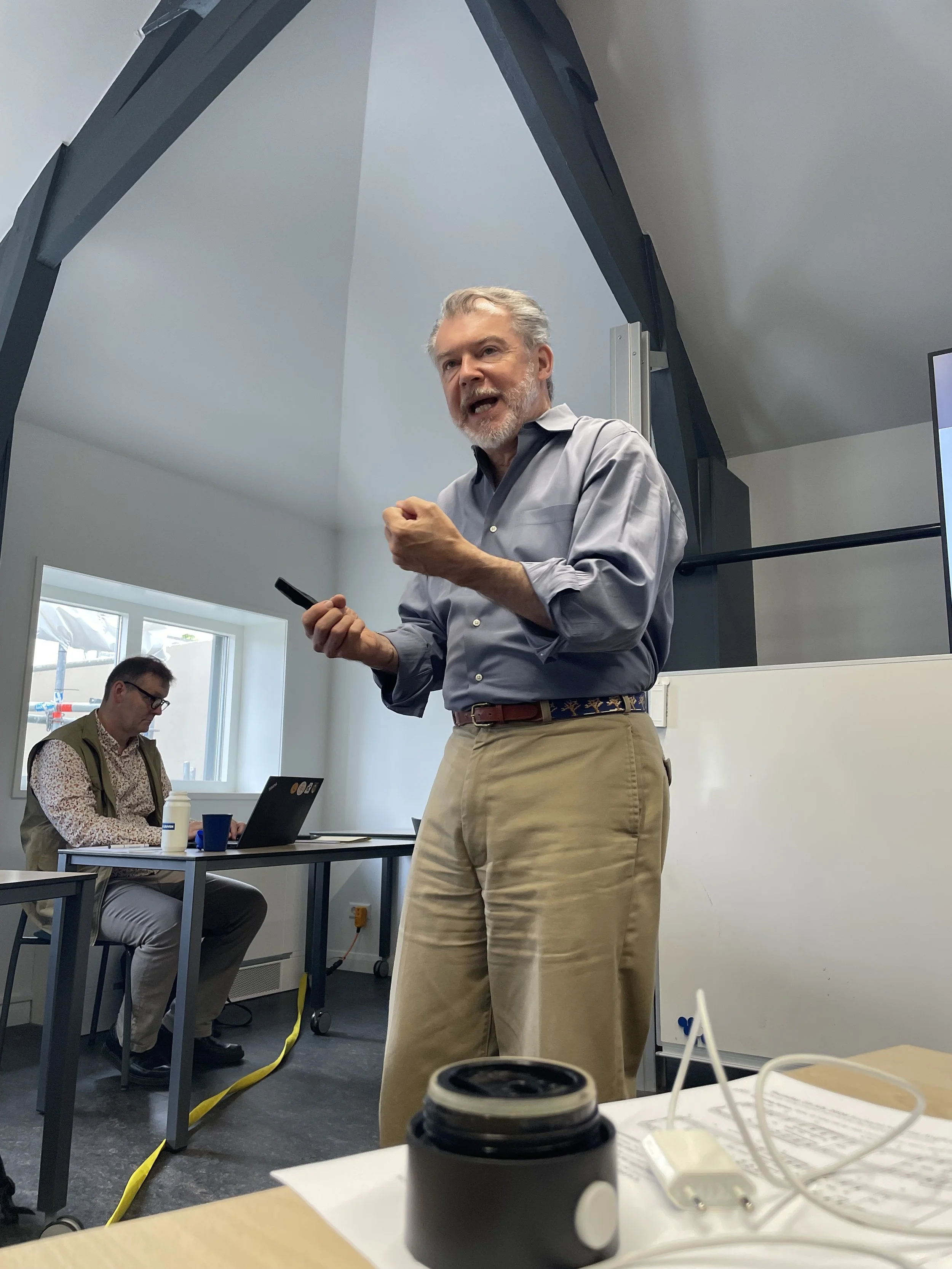
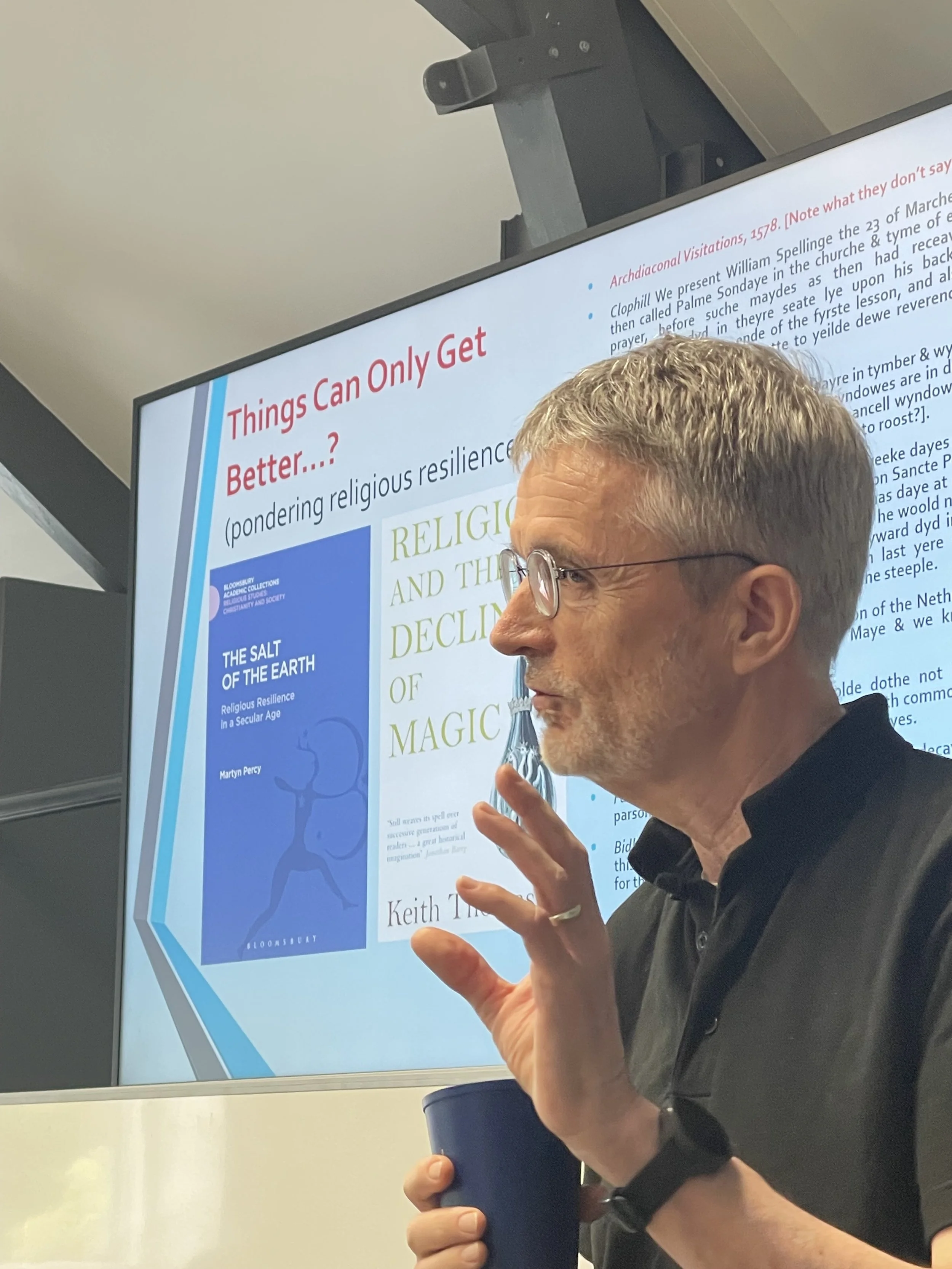
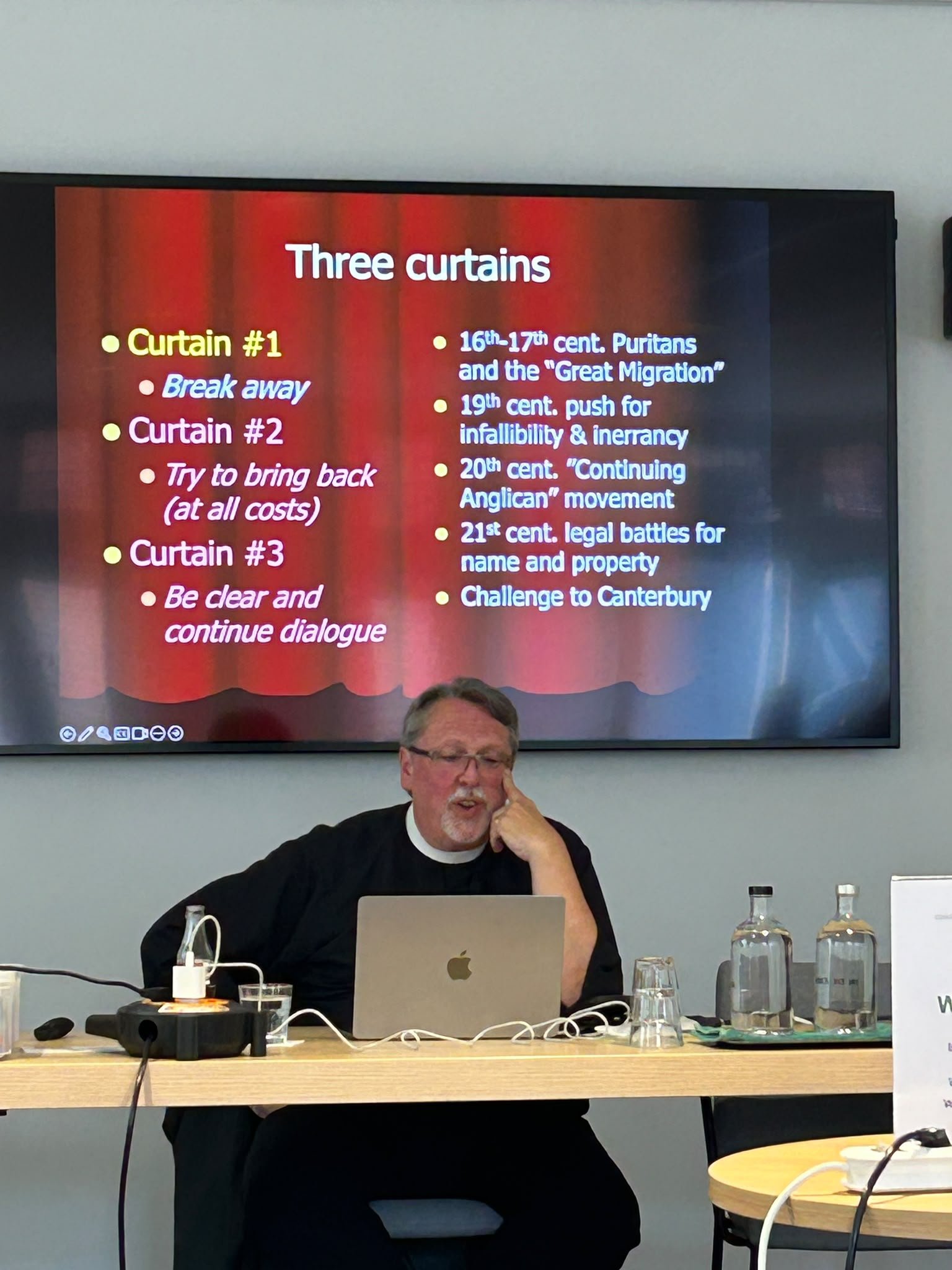
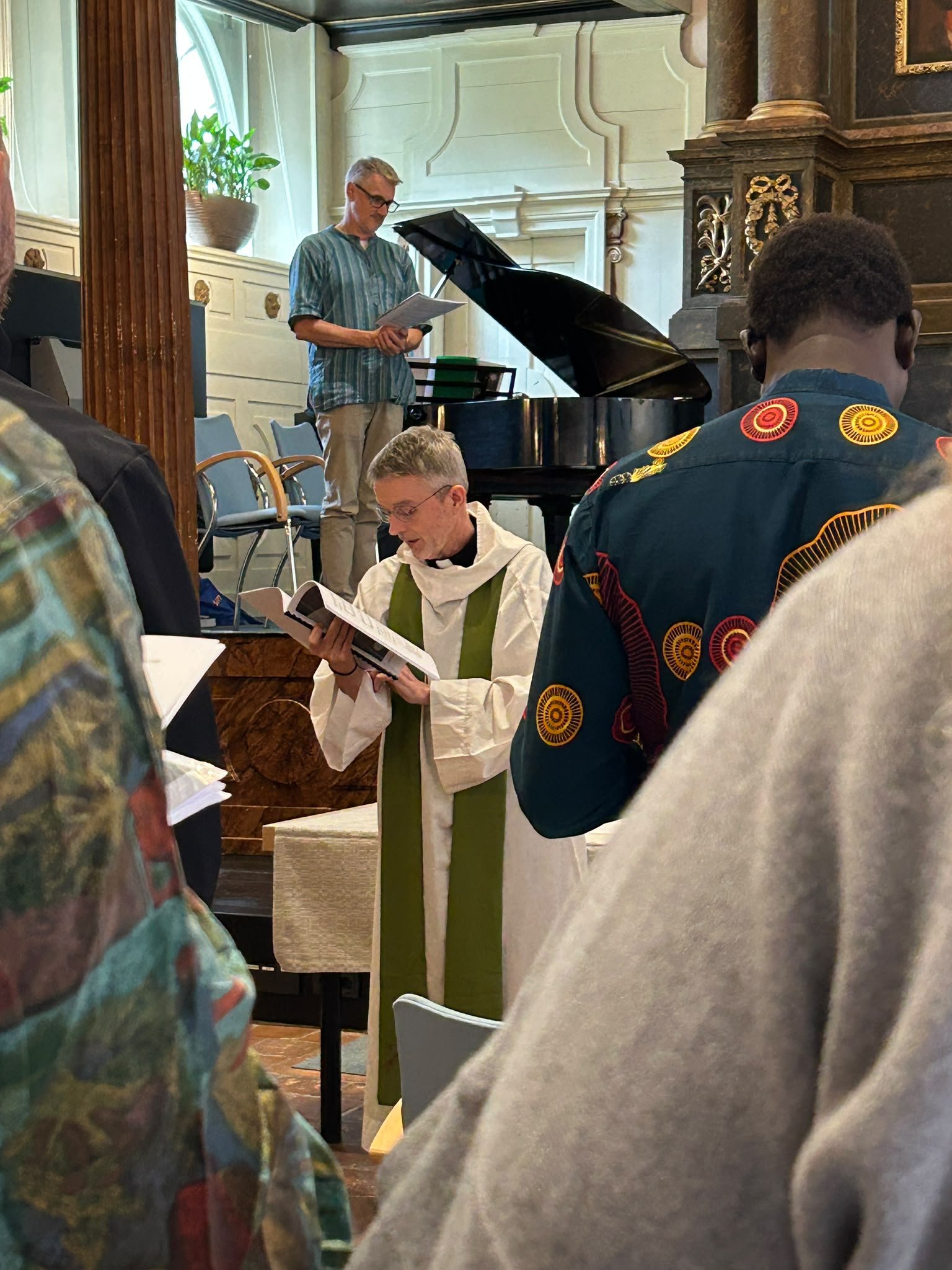
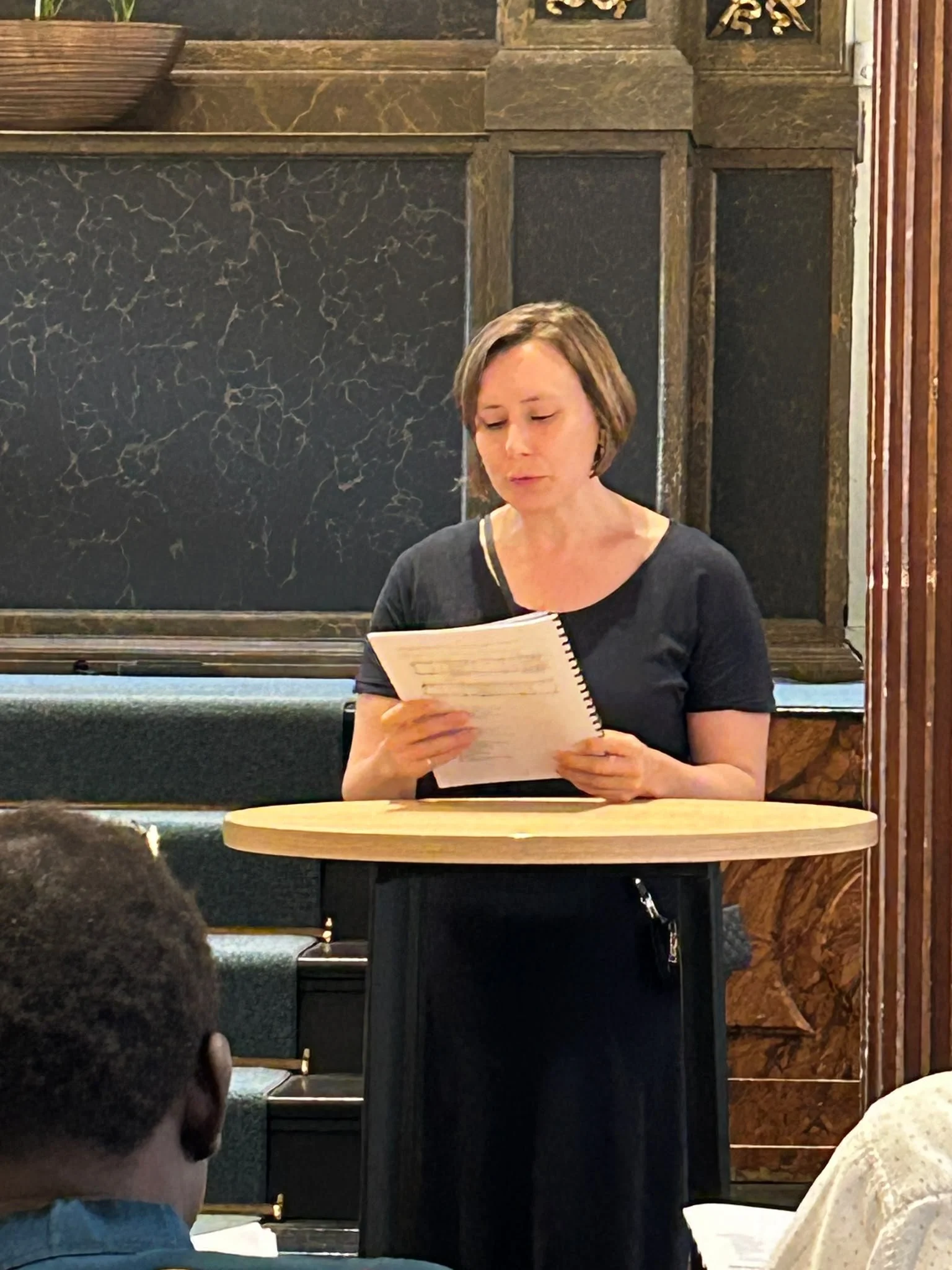
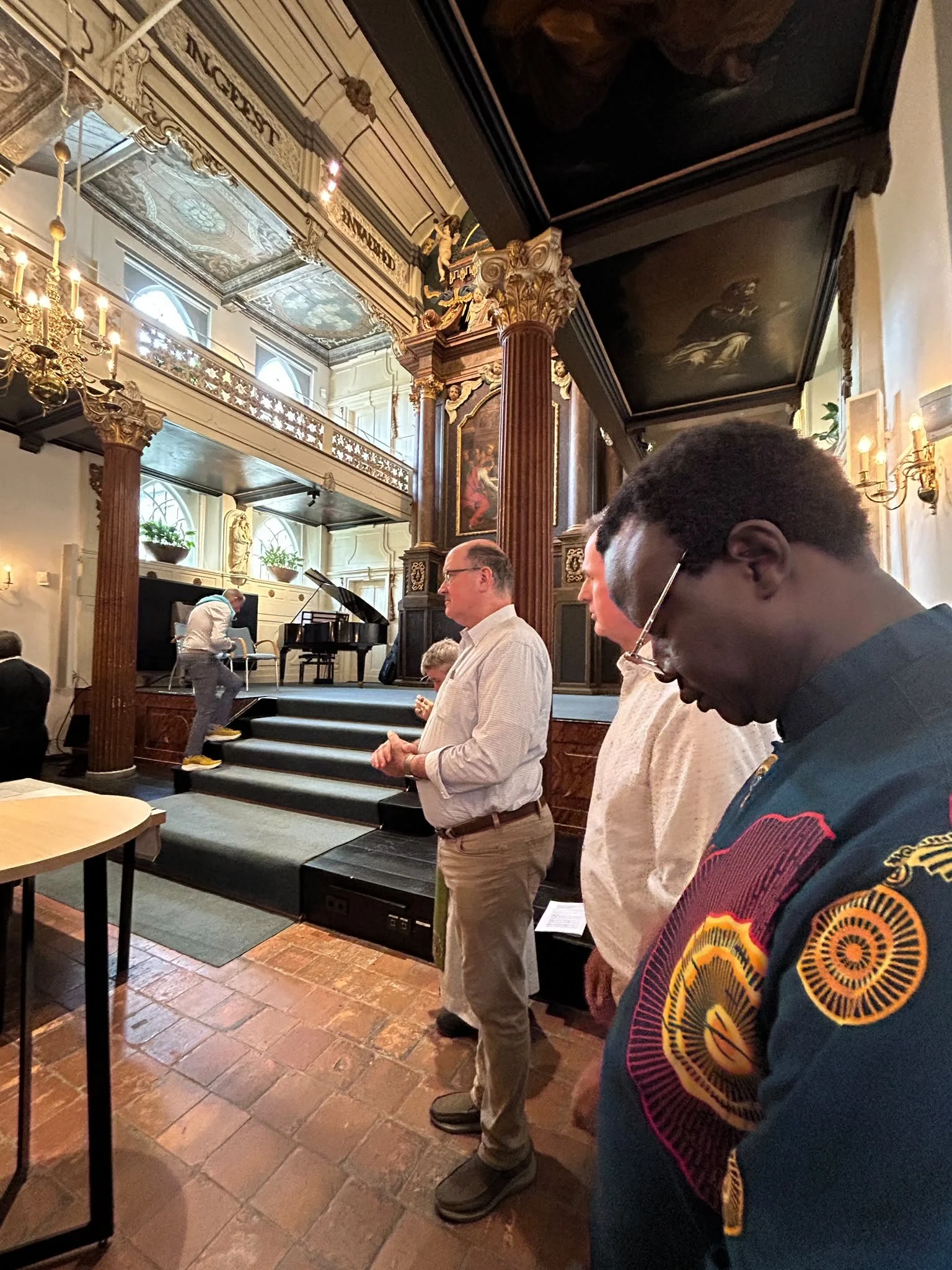
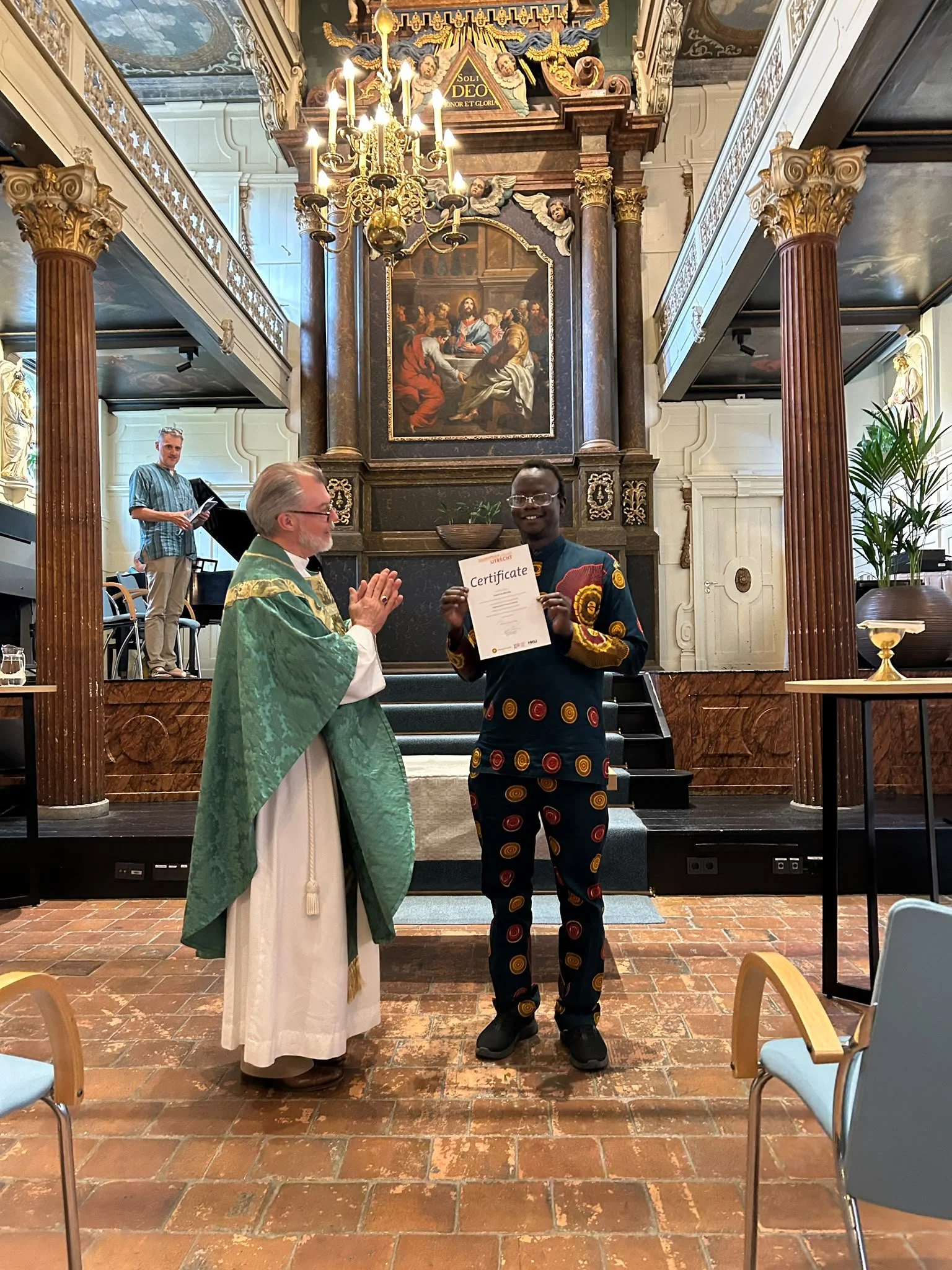
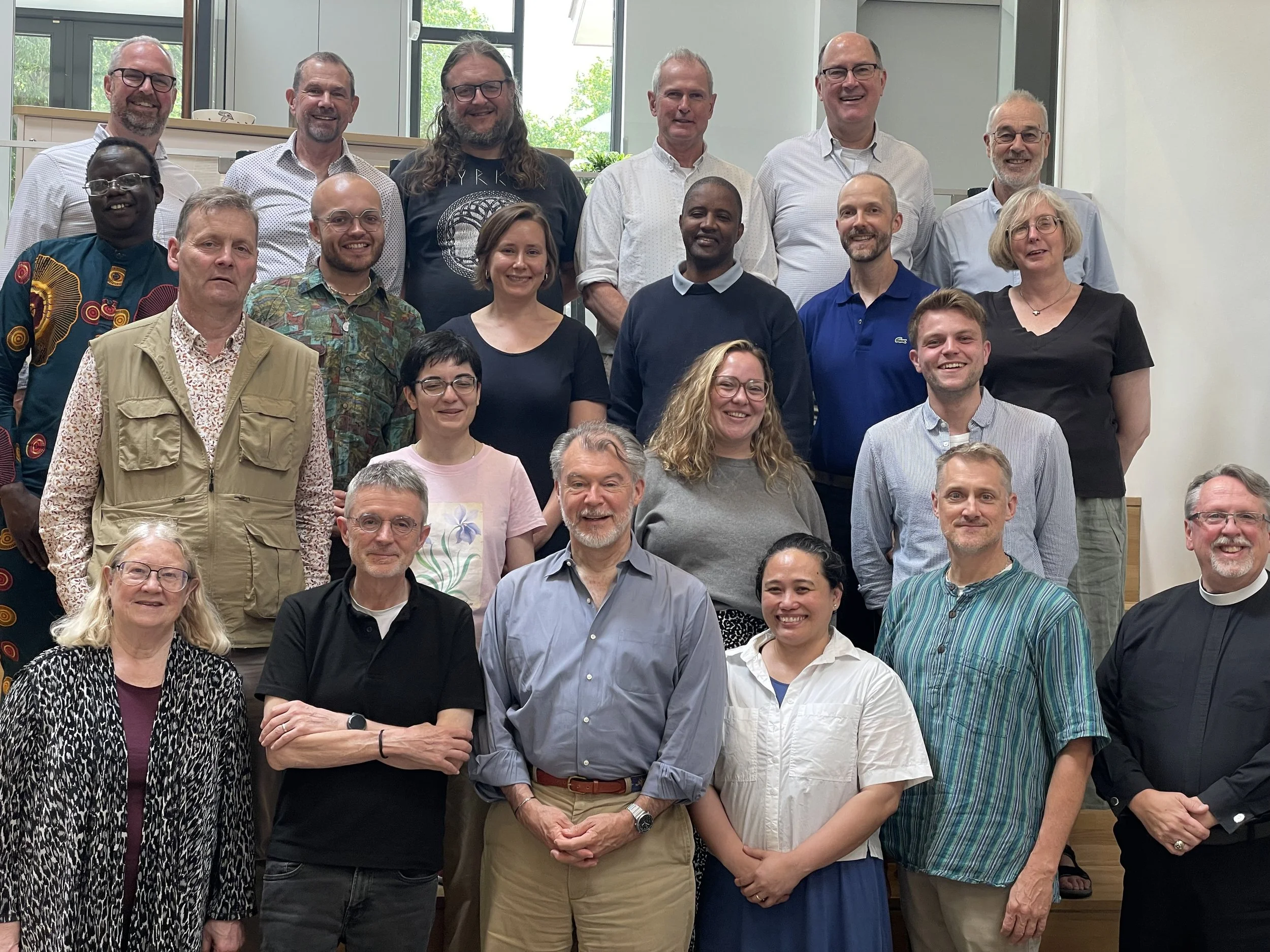
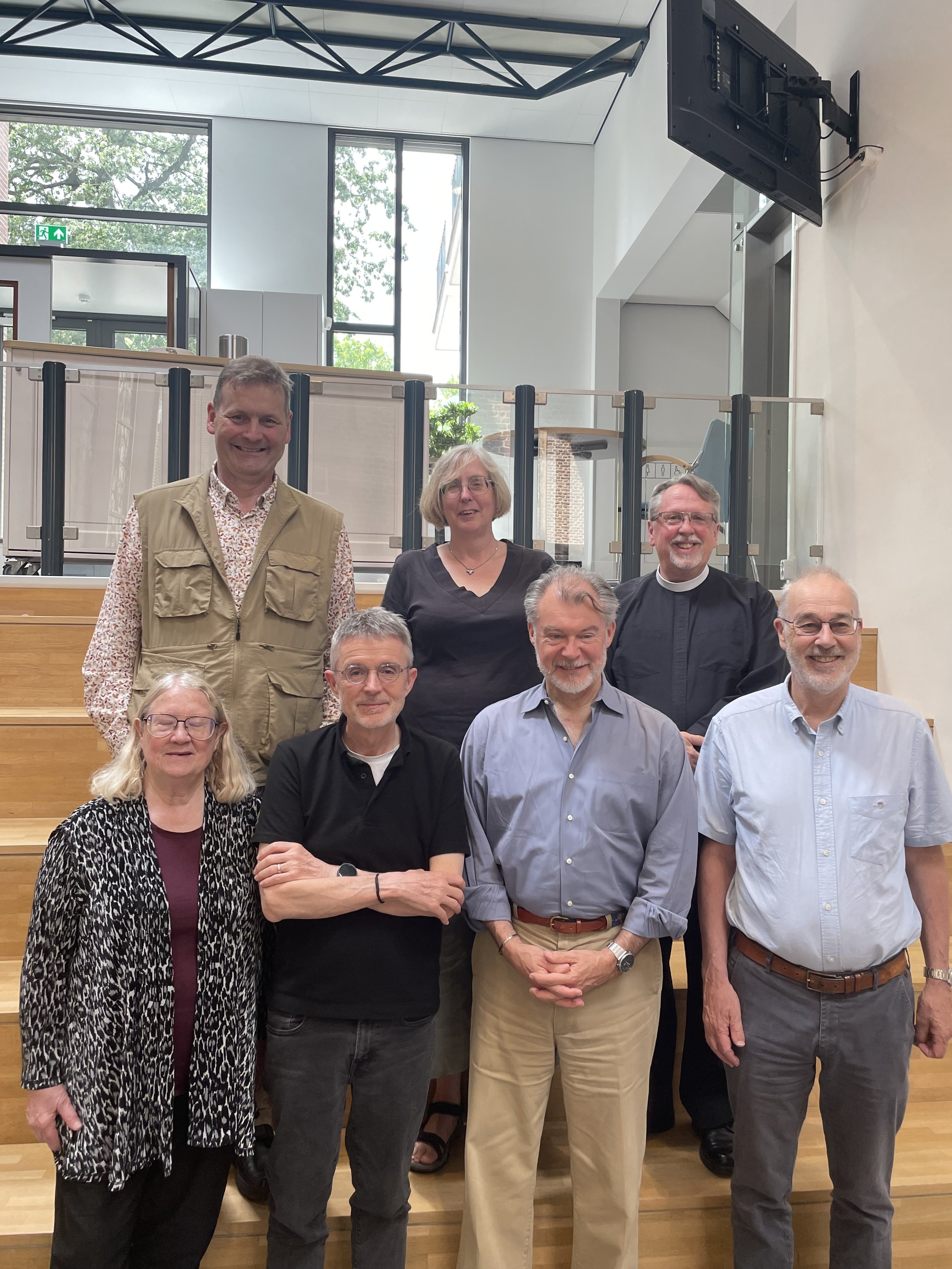
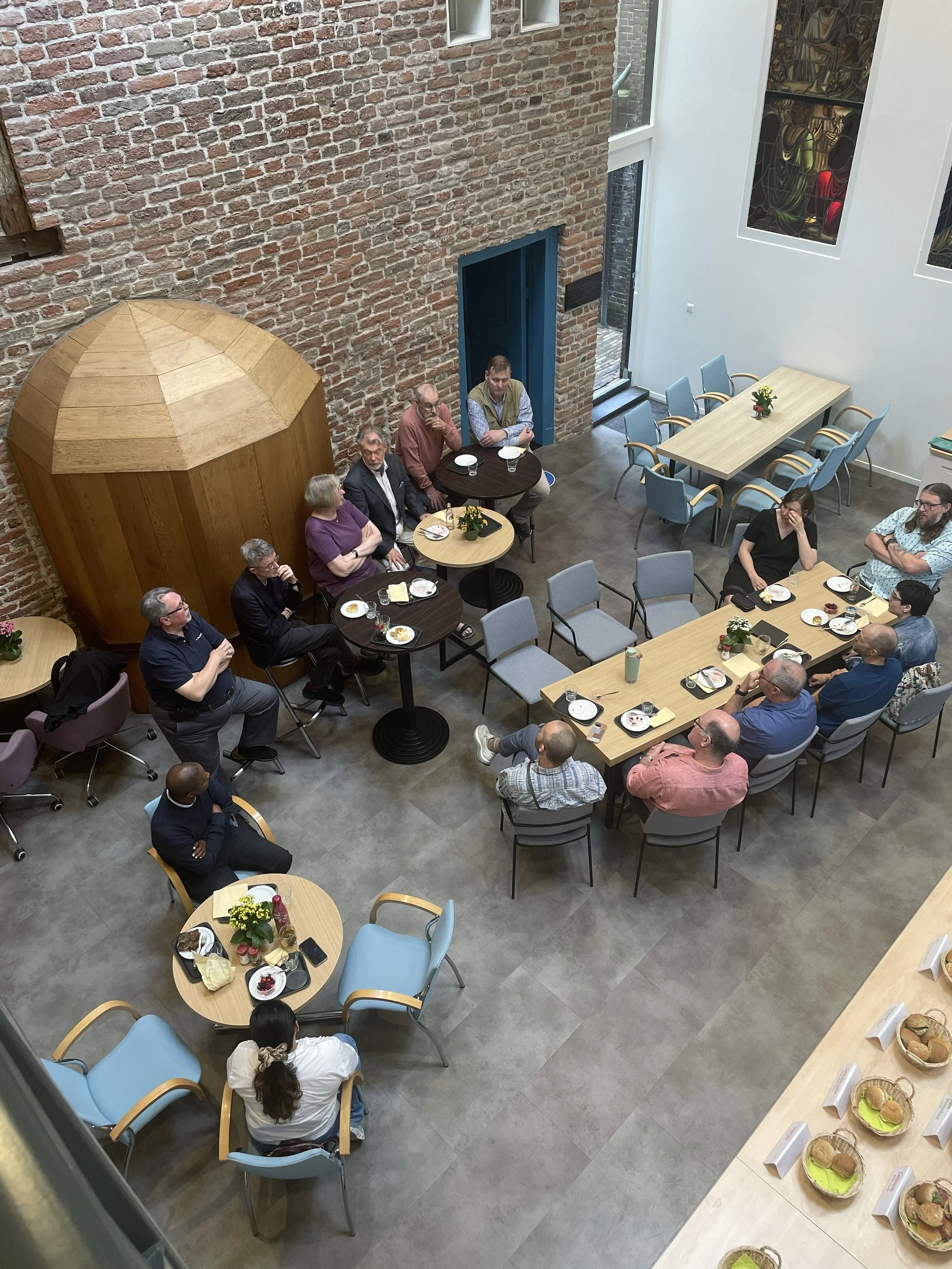
Summer School in Utrecht continued on Thursday, and concluded on the morning of Friday, 24 July 2026.
The lectures on these days highlighted the work and engagement of Anglican churches throughout history until contemporary times. Although the lectures did not gloss over the reality of a general downward trend of church attendance across many churches and the pressure of secular societies on people’s religiosity as almost-inevitable, it must also be noted that church communities on the ground have continued and continues to work in imaginative and creative ways in mission and Gospel-inspired work.
Bishop Mark Edington of the Episcopal Convocation in Europe talked about Diasporic Anglicanism in Europe, dating from the pre-Reformation times up to today. He illustrated how at different points in history, Anglican traditions have changed and evolved in the face of era-defining challenges and questions.
It was further amplified by Prof. Martyn Percy’s lecture of the ways that Anglicans have lived out their faith in the public square, as well as Prof. Jack McDonald’s overview of the work of the Anglican Permanent Representation Office to the European Union. He underlined how the work of diplomacy translates Christian mission in contemporary public and secular spheres.
Prof. Kathy Grieb invited us to look at current points of division in the Anglican Communion in historical perspective. Comparisons were made about the current debates around human sexuality and the Civil Rights movement in the United States and the ordination of women in the Anglican church.
The Rev. Dr. Chuck Robertson gave a talk about the current state of the Anglican Communion and the structures which hold us together as a worldwide part of the Body of Christ.
While all the lectures were very instructive in painting a complexified picture of Anglicanism from different parts of the Anglican Communion, Rev. Chuck’s contribution on the levels of conflict and ways to navigate it brought home the point that conflict is inevitable in the church. And, that one should avoid both extremes – romanticizing the notion of community and being overly-cynical of its reality.
Indeed, this unique way of Anglicanism – a via media -- was exemplified during the final Eucharistic liturgy of the summer school which brought together liturgies, music and prayers from across the traditions of the worldwide Anglican Communion.
Finally, after a week of shared learning, worship and exchanging ideas and stories, the students were handed their certificates and the Faculty shared their hopes and dreams on the future of Anglicanism, not just in Europe, but across the Anglican Communion.
The cheese spread during dinner and the delicious lunch in In De Driehoek were stellar, capping their generous hospitality throughout the week. And, with fond farewells and hope to see you soon’s, the 2026 edition of the summer school in Utrecht rang its proverbial dismissal bell. For now.