
The lectures on day 4 of the summer school proved to be somber reminders that the spread of Anglicanism in Europe and across the Atlantic cannot be considered separately from the colonial enterprise that fuelled and supported the British empire.
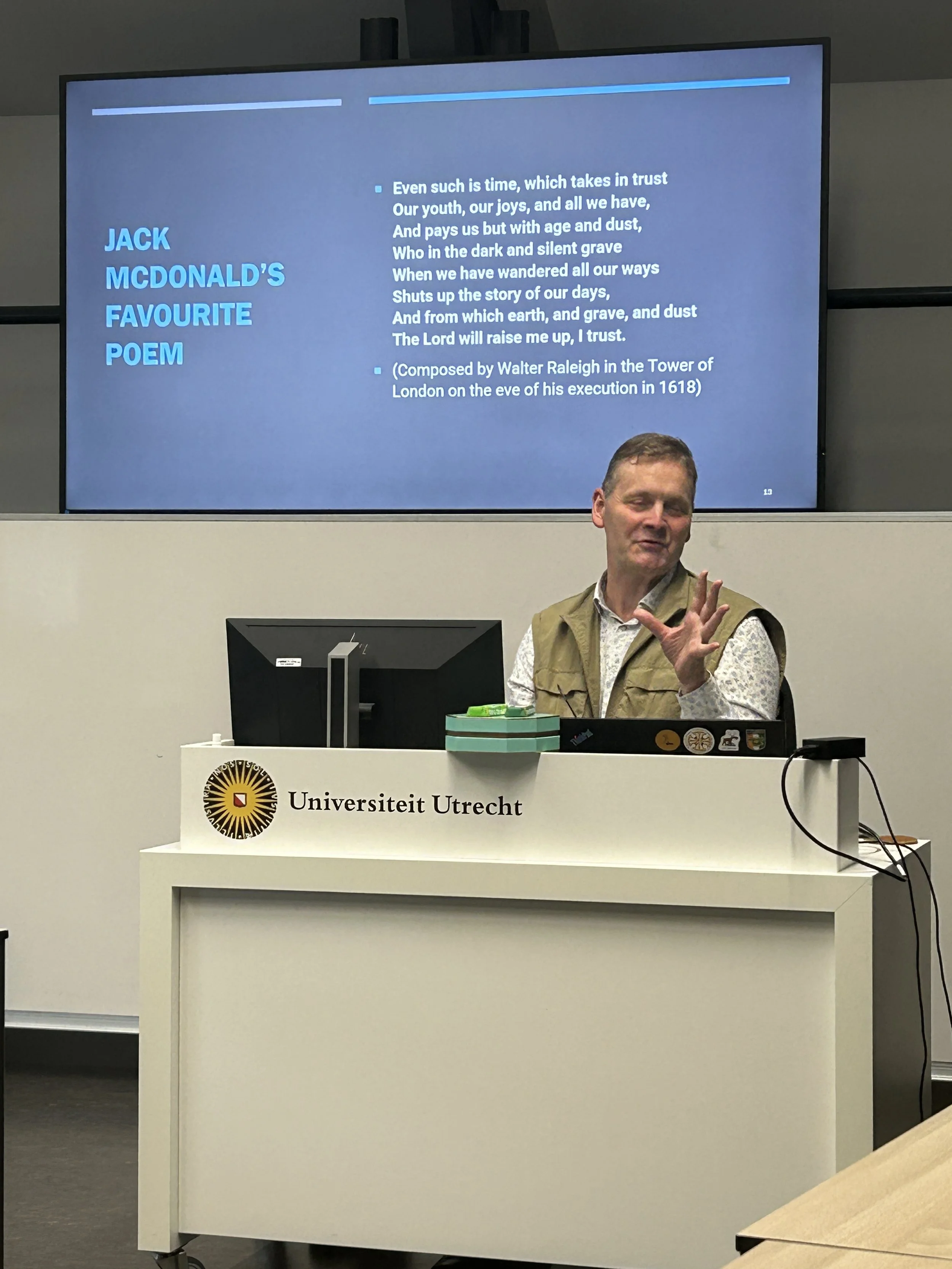
Prof. Jack McDonald discussed about the Colonial spread: Complicity in the Triangle Trade and Anglicanism in Africa in the morning session, and on Anglican Philosophy in the afternoon.
Prof. Martyn Percy spoke on the Crisis of Colonial Anglicanism in the morning session, and the relationship of Anglicans to the Bible in the afternoon.
As such, the challenge facing Anglican churches now is: how does the undeniable and entangled history of colonialism play out in Anglican churches in Europe, and how are the churches responding to it?
More pertinently, colonial thinking still continue to influence church polity and theology to this day in implicit and explicit ways. (Think: projects and moves for reparations to formerly colonised peoples are hardly funded by the Church, but payments to former English slave-owners after abolition have just finished in 2016!).
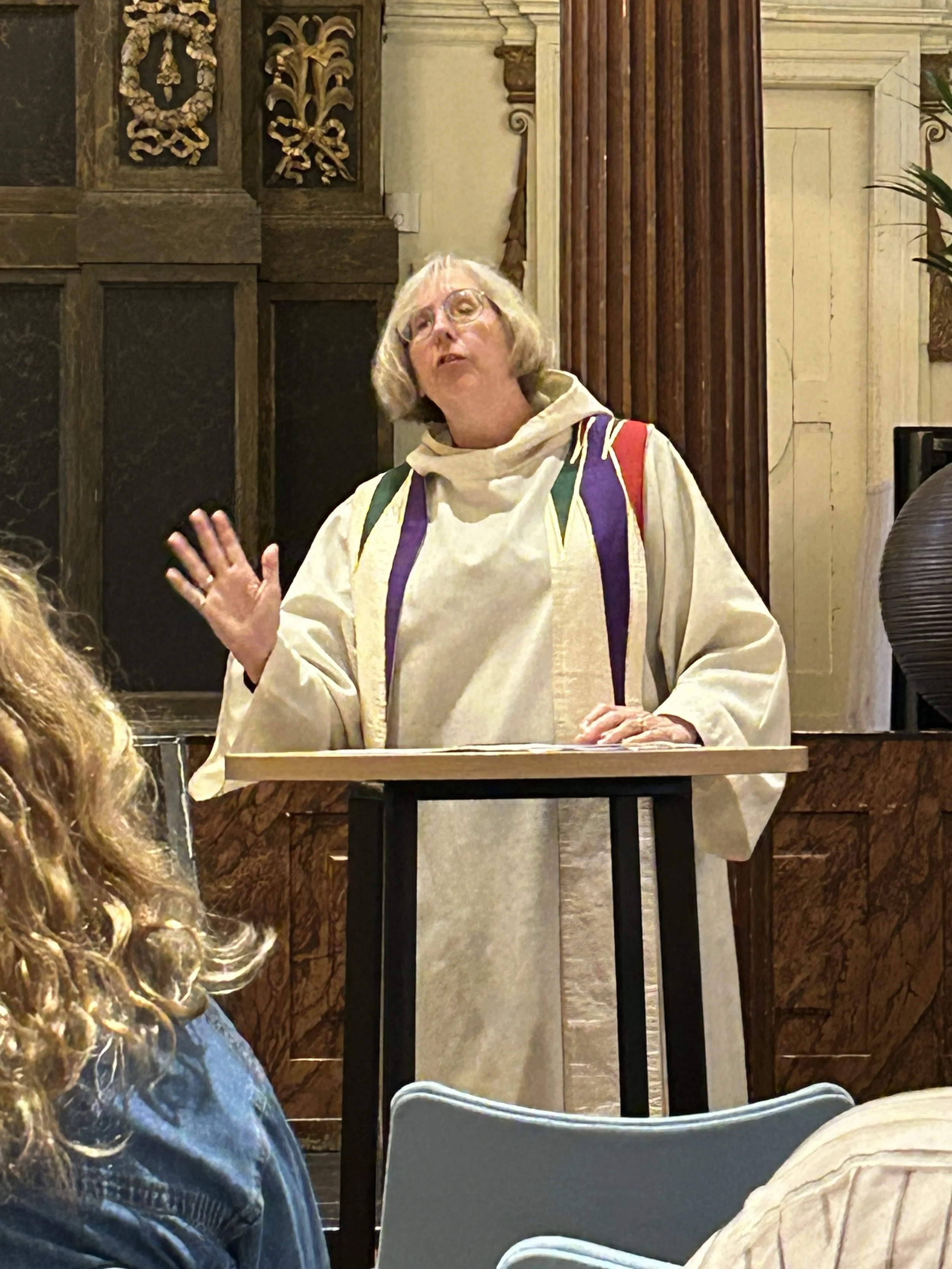
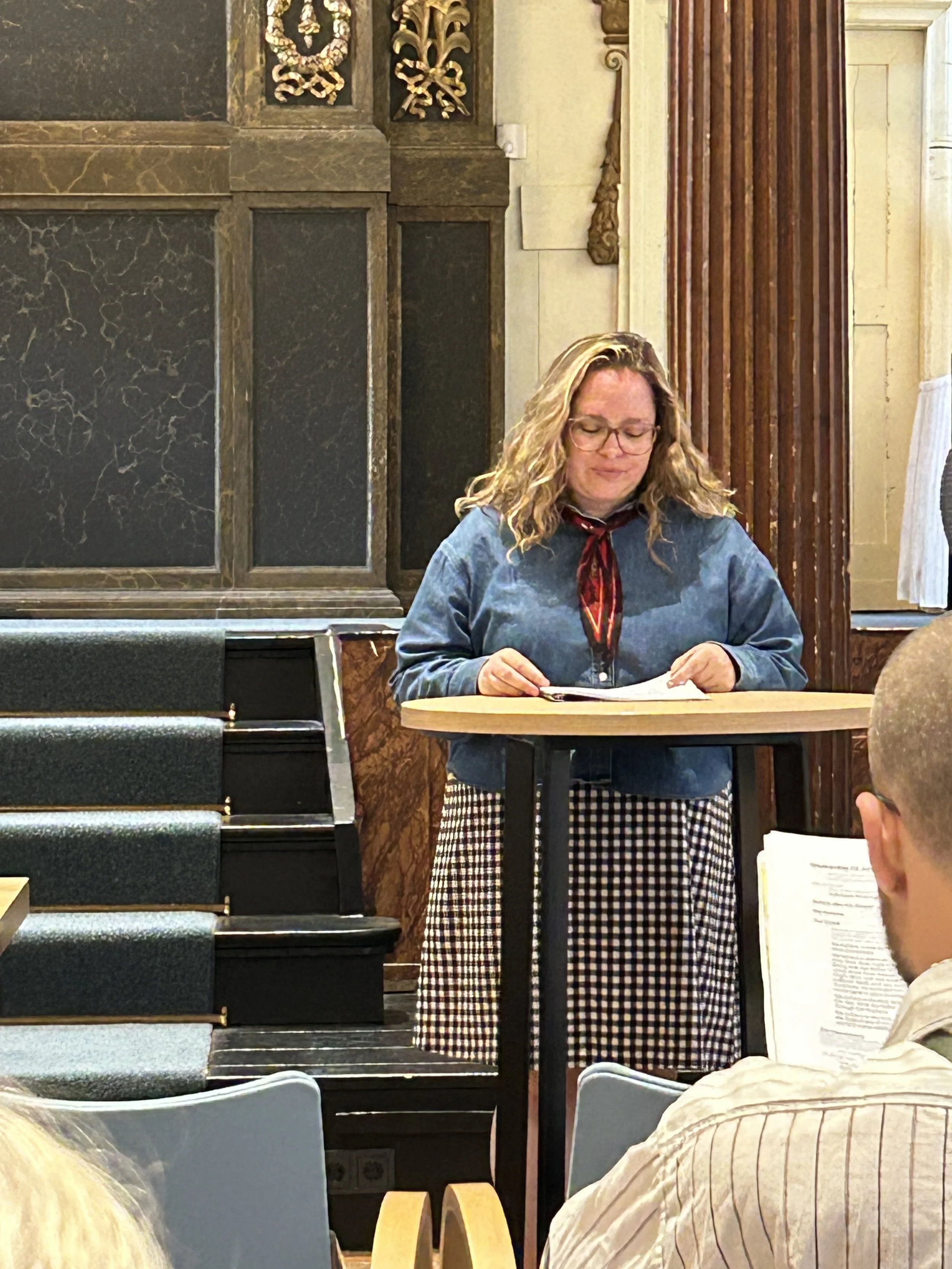
Finally, the sermon of Prof. Catherine on the historical role of Mary of Magdalene as ‘apostle to the apostles’ and as the one of the first witnesses of the Risen Christ was striking: the male disciples ran away out of fear during and after the crucifixion, and the women who stayed throughout the passion and death of Jesus were given the charge to witness and proclaim to the rest of the community.
She asked the poignant question: what would happen to the Church when people who have been ‘othered’ for reasons of race, sexuality, nationality, etc. are actually heard when they speak? How would the churches be different? How would we, as the people of God, change?
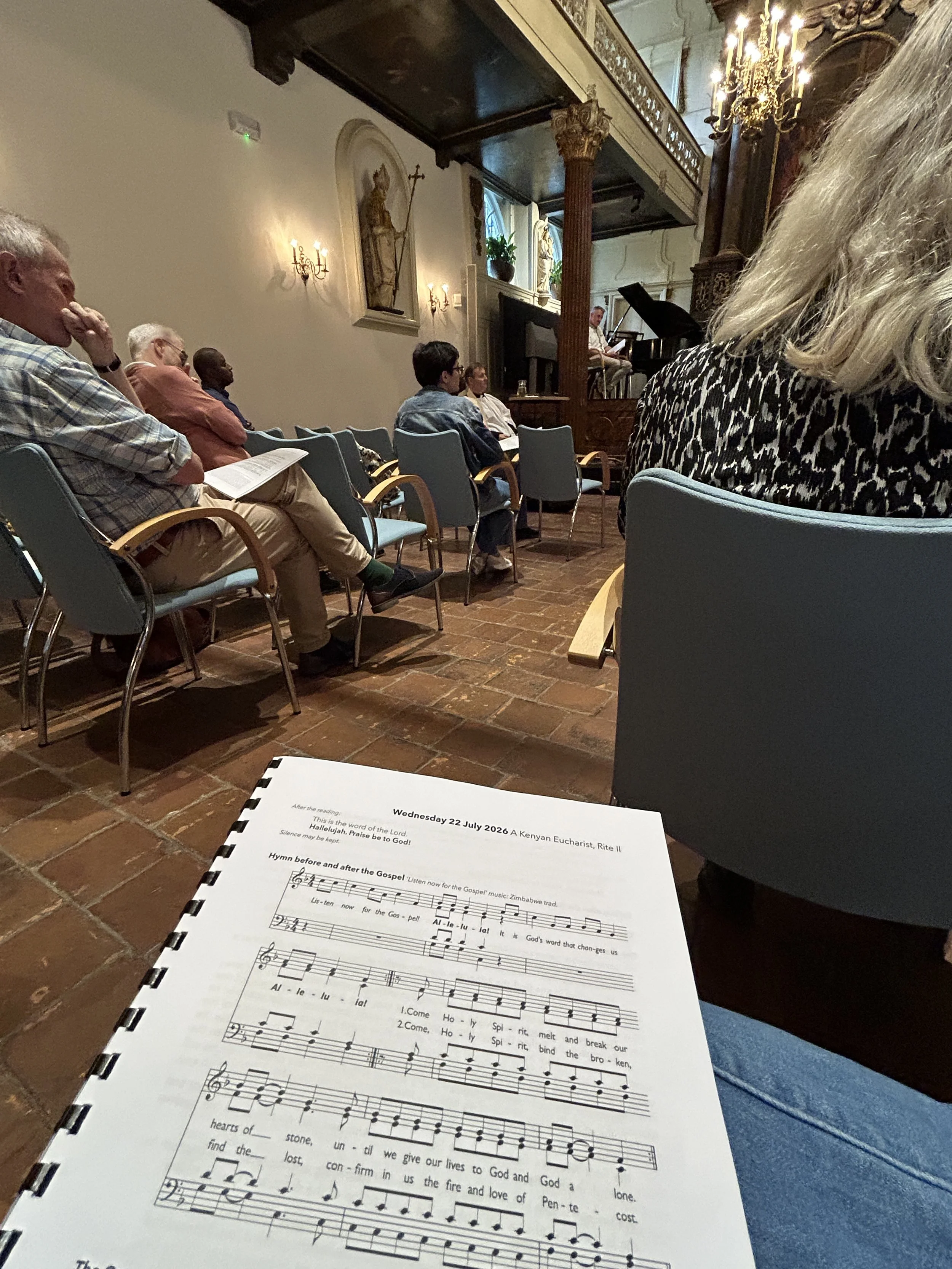
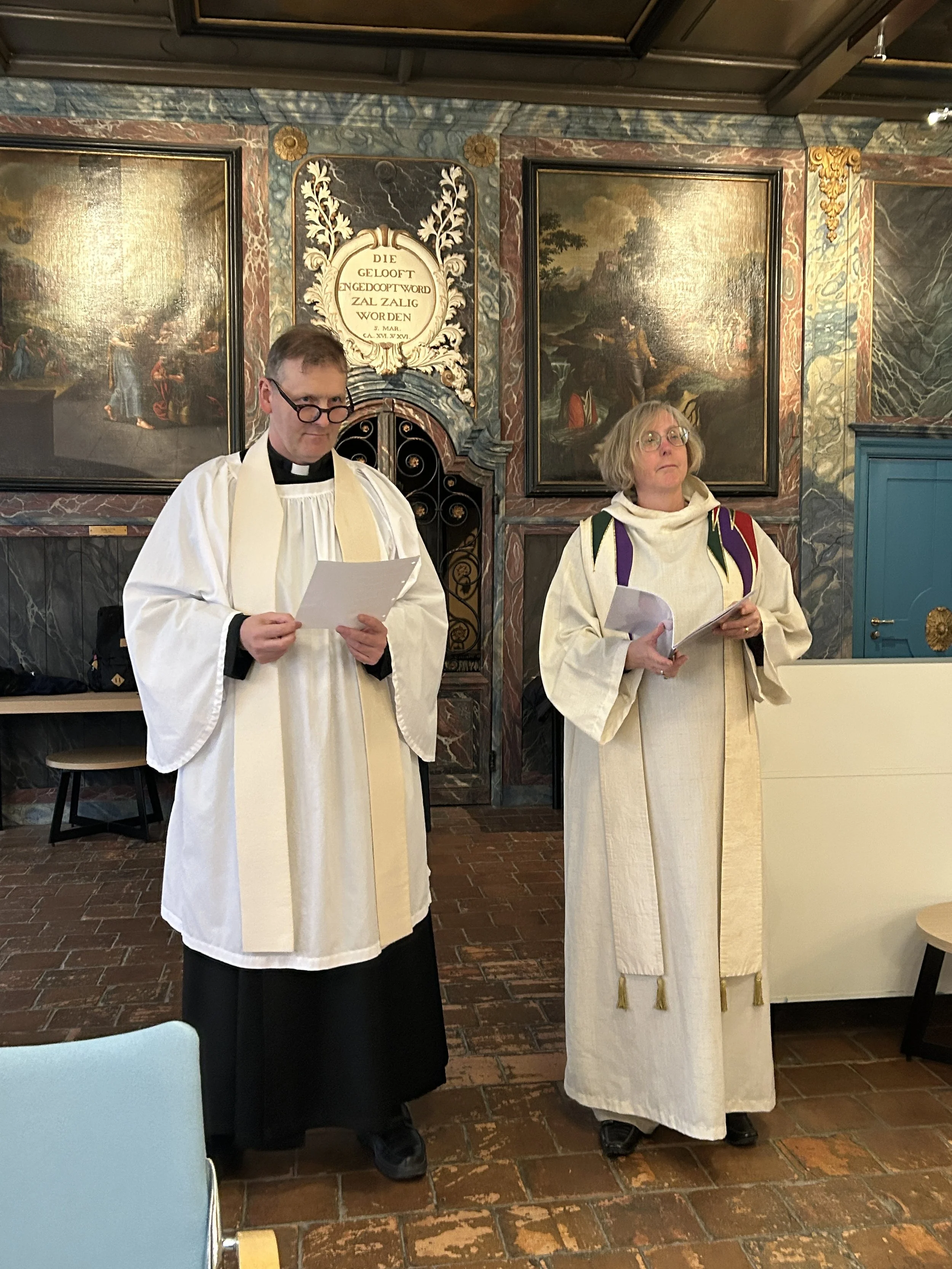
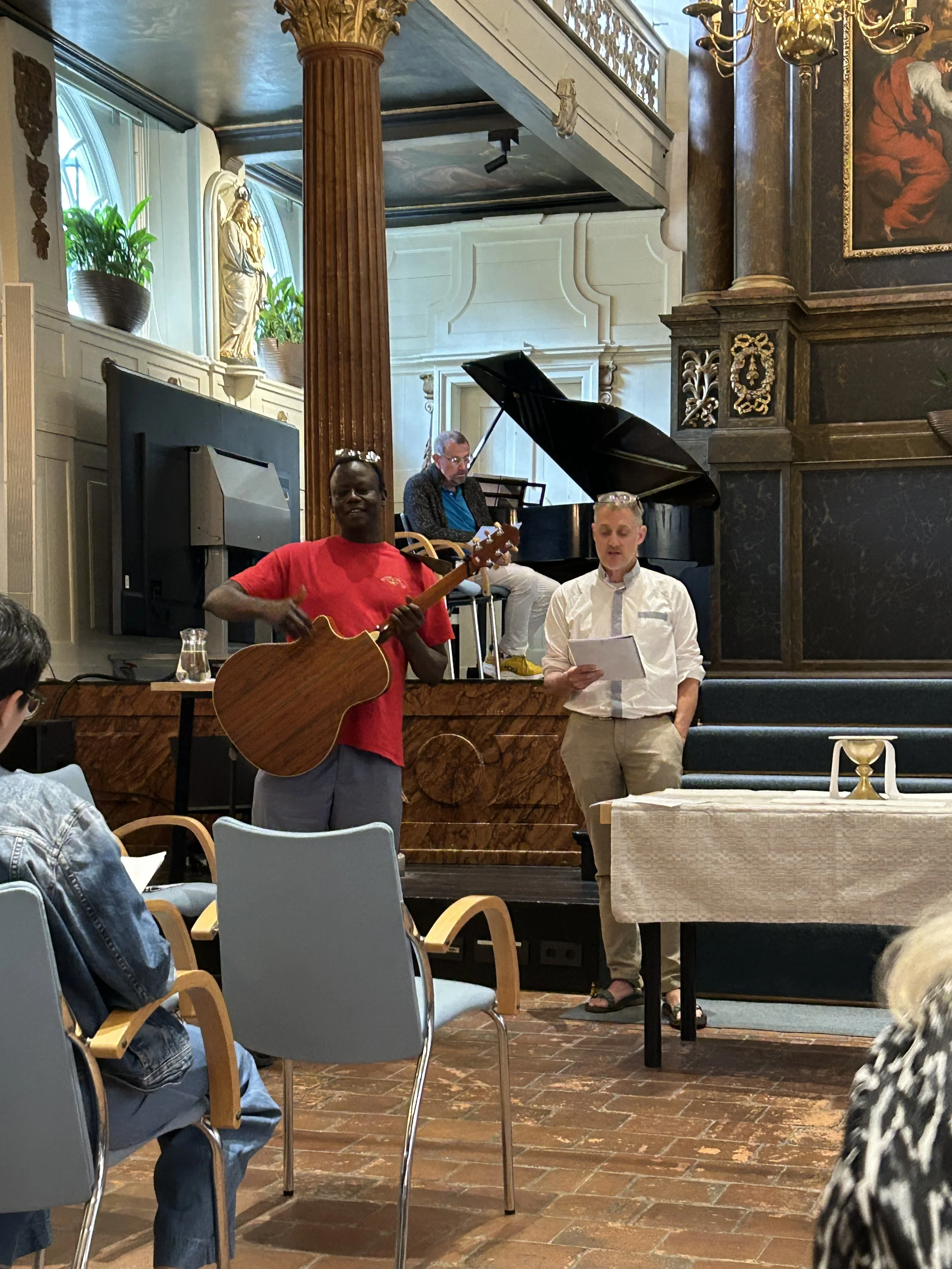
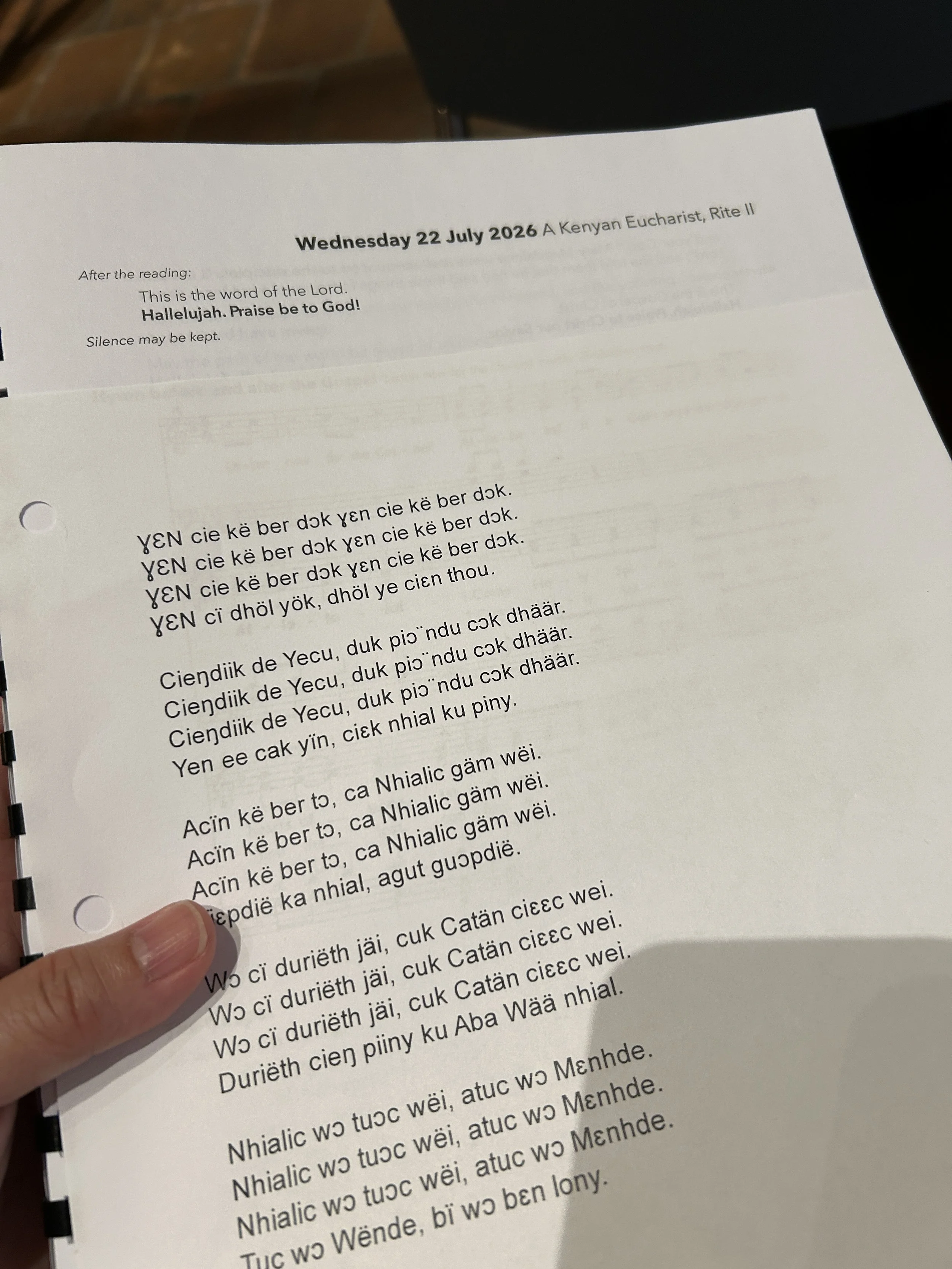
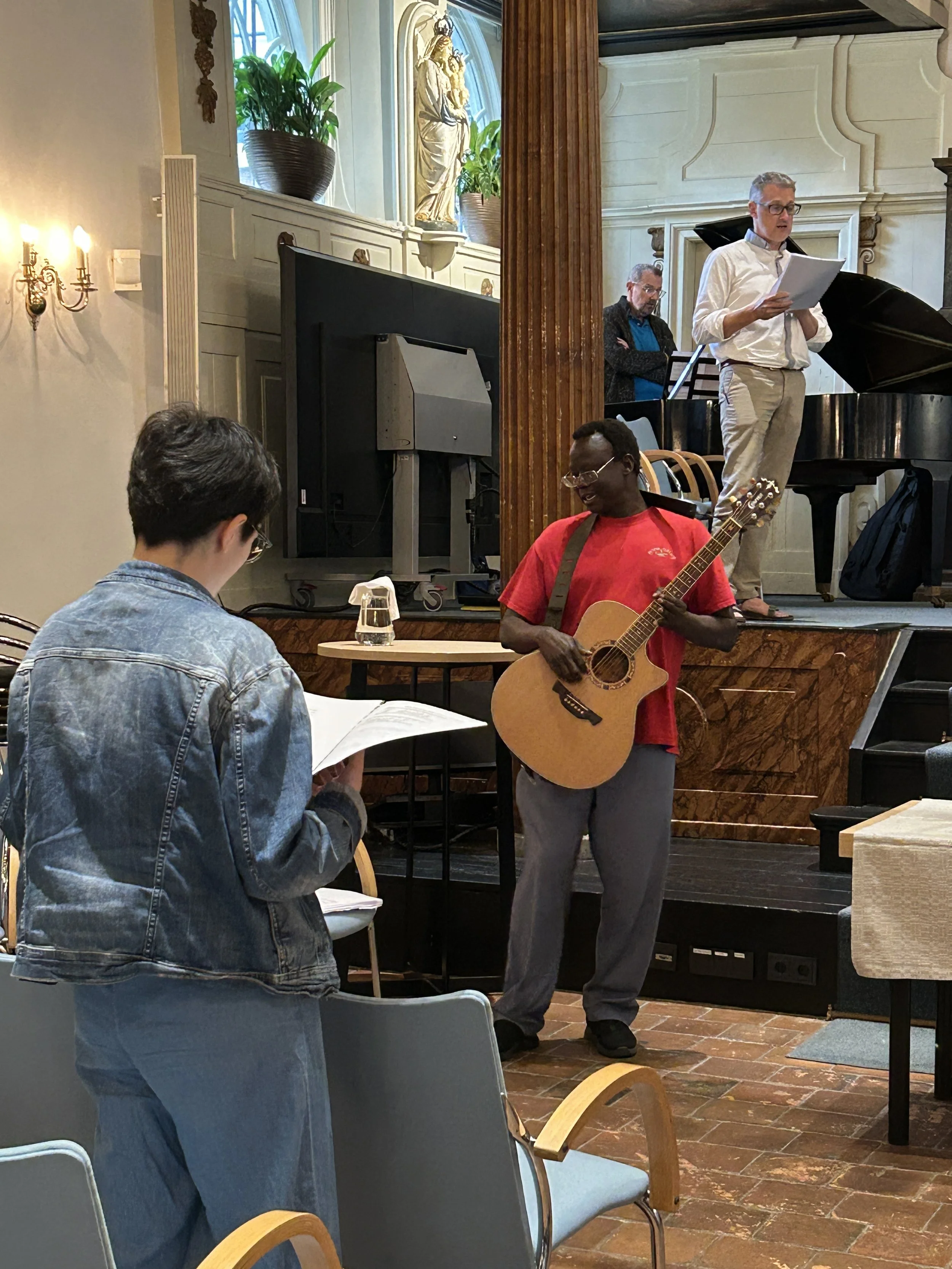
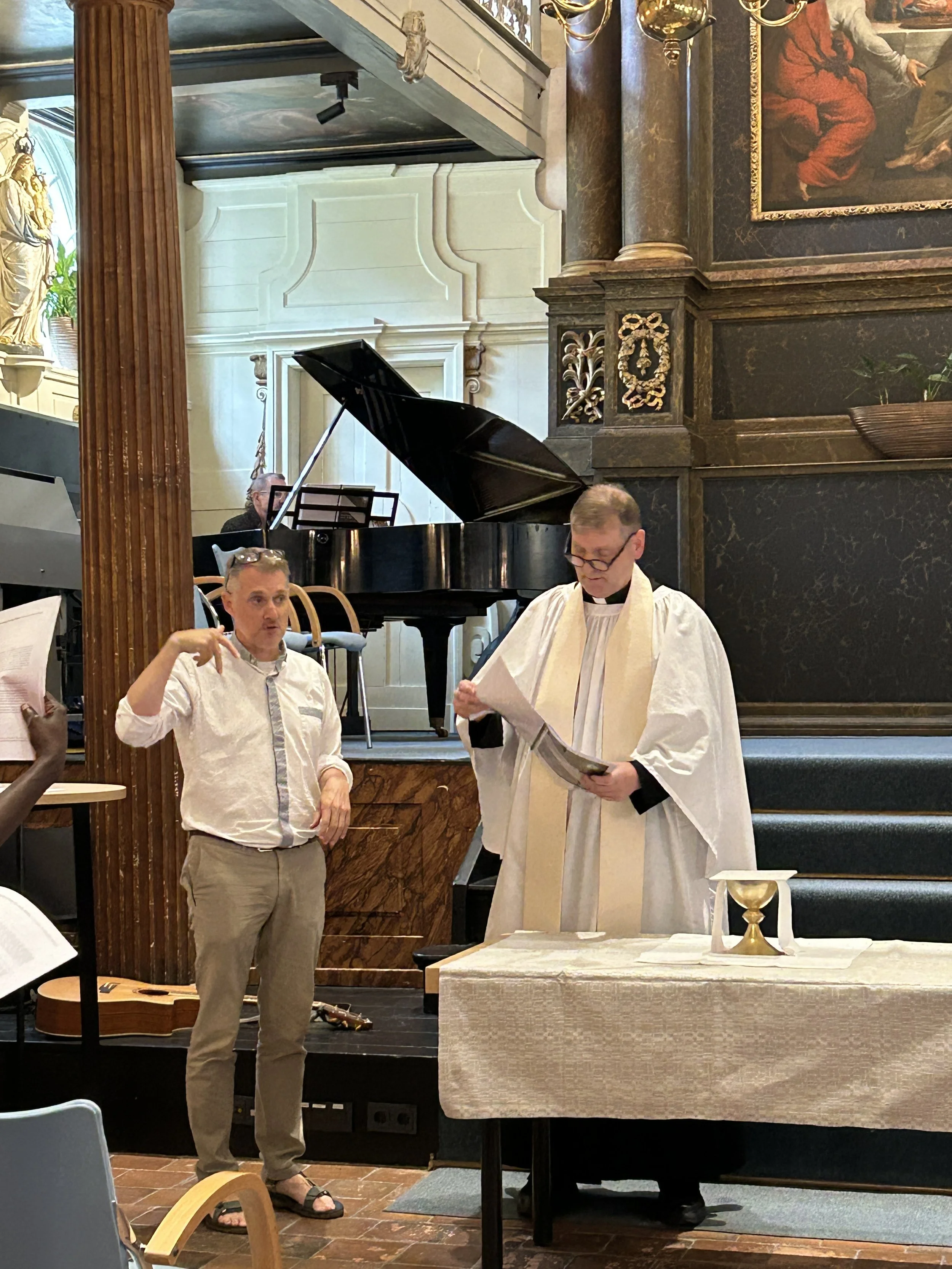
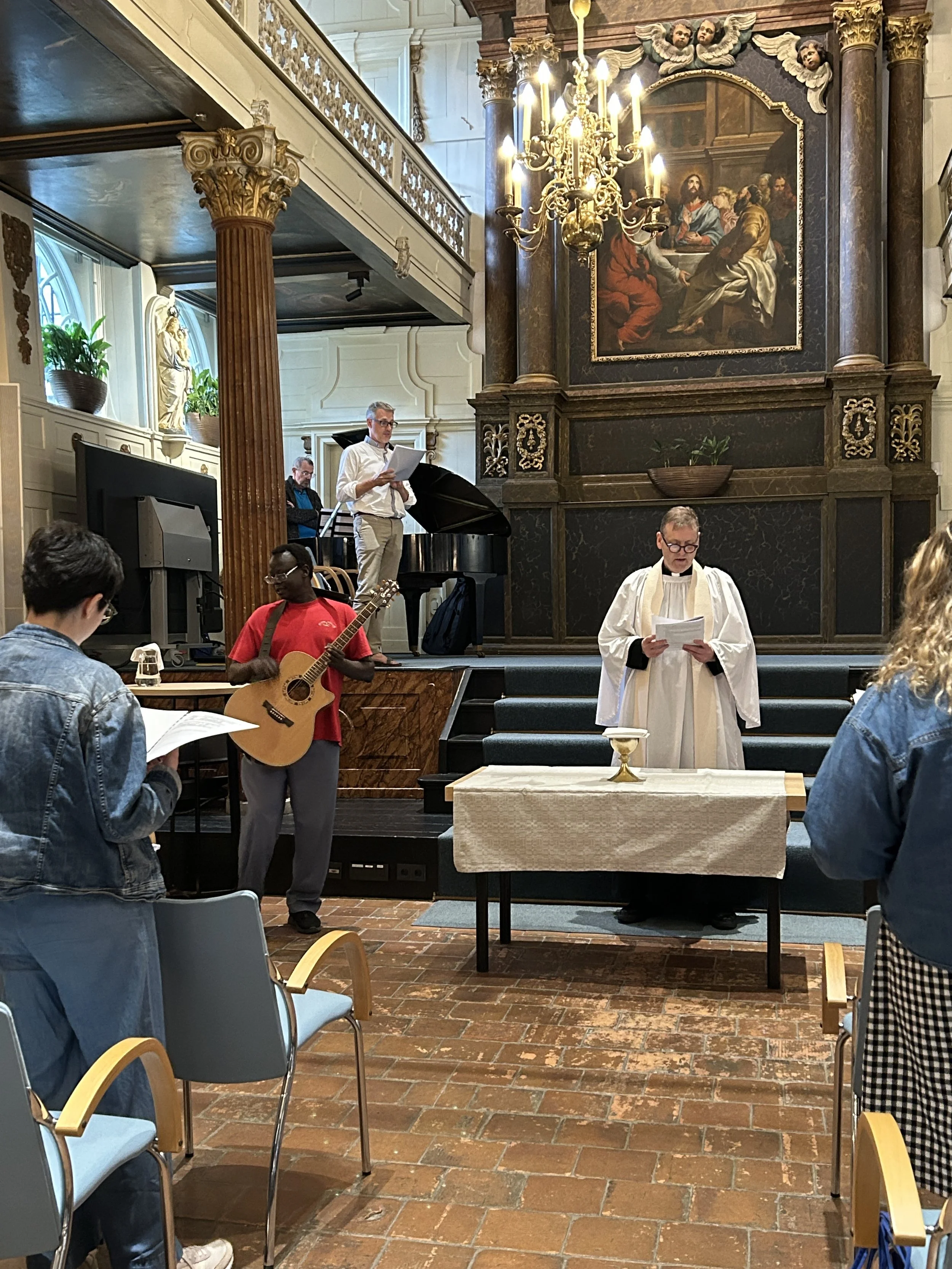
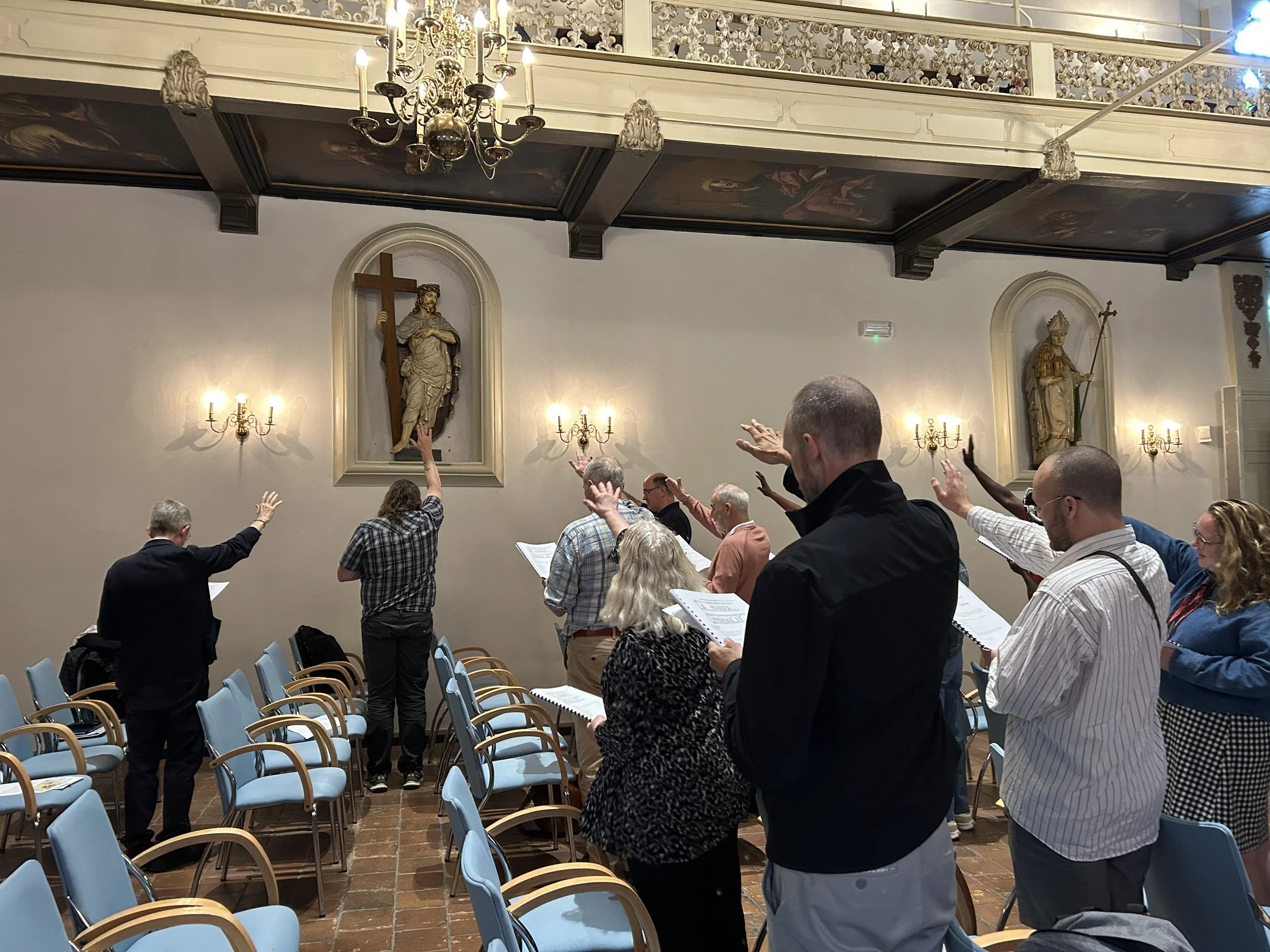
The Eucharistic liturgy used a Kenyan rite and the group joyfully ended the day with dinner on Dutch ‘stoofvlees’ (meat stew) prepared generously In De Driehoek.